01 • Town
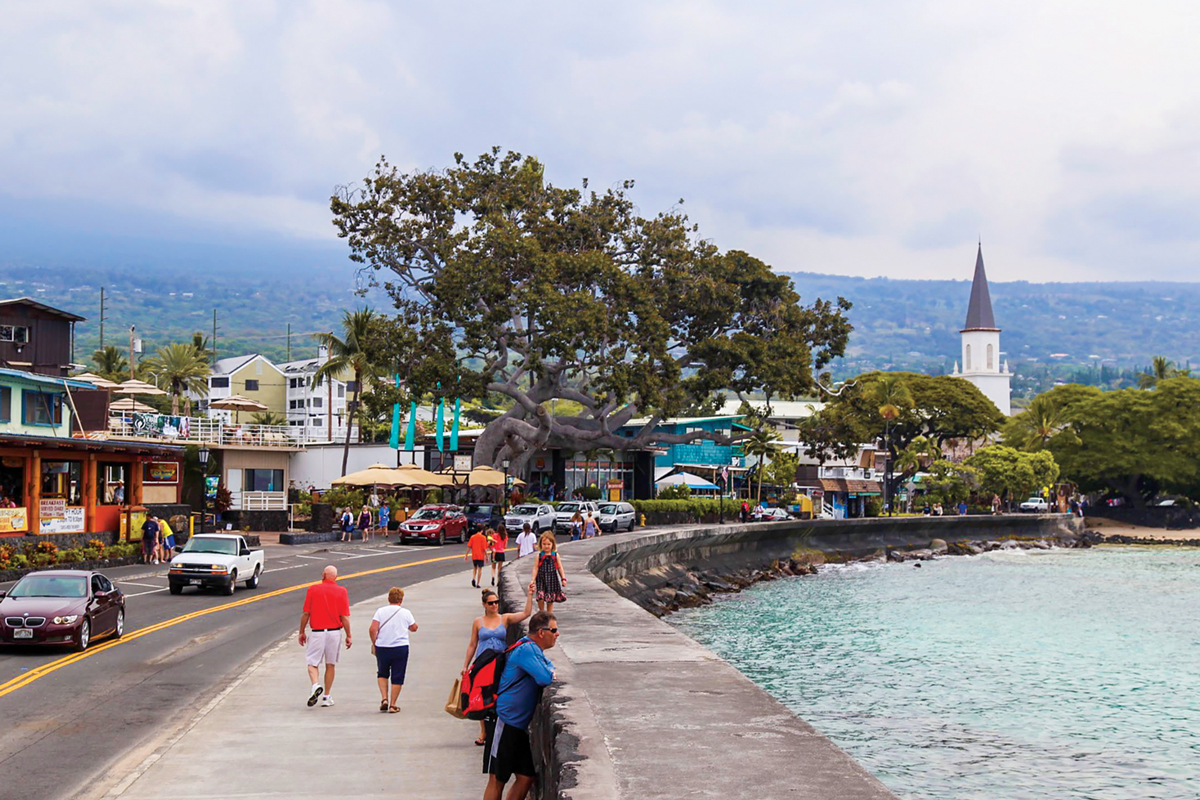
Historic Kailua Village
Walkable waterfront dining, Kailua Pier, Huliheʻe Palace, Mokuʻaikaua Church and sunset views along Aliʻi Drive.
Black lava, bright Pacific water, historic Hawaiian places and cloud-forest coffee country — all strung along one of Hawaiʻi Island’s sunniest shores.
Kona is more than Kailua-Kona. The district stretches far along Hawaiʻi Island’s west side, from resort coast and lava fields to historic bays, coffee slopes and quiet South Kona.
Walkable waterfront dining, Kailua Pier, Huliheʻe Palace, Mokuʻaikaua Church and sunset views along Aliʻi Drive.

Accessible snorkeling by day; manta-ray excursions depart nearby after dark.
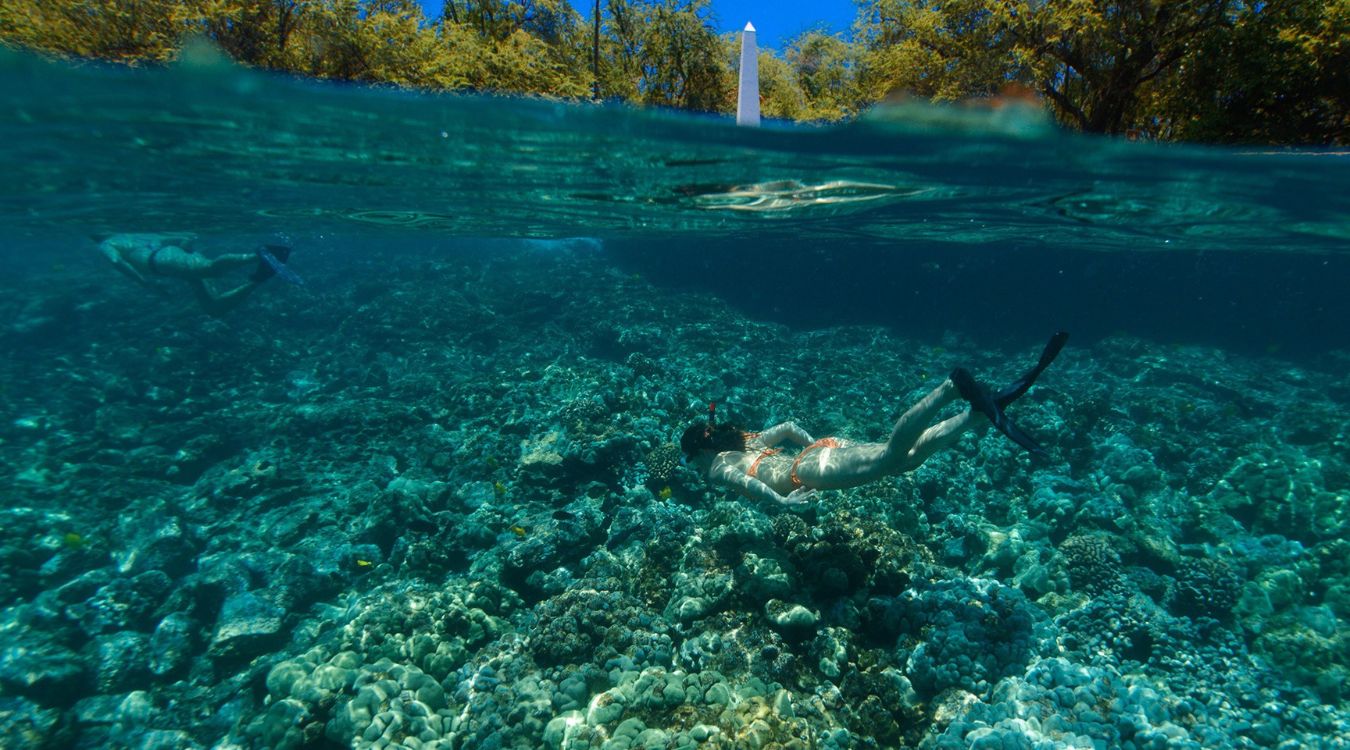
Clear water, dramatic cliffs and one of the coast’s signature marine experiences.

A major Hawaiian cultural landscape and former place of refuge — worth giving real time, not a quick photo stop.
Plan around the water in the morning, upland coffee country in the afternoon and the western sky at sunset.
Kealakekua Bay is one of Kona’s standout marine destinations. Boat access is the simplest way to reach the best-known snorkeling area near the Captain Cook monument.
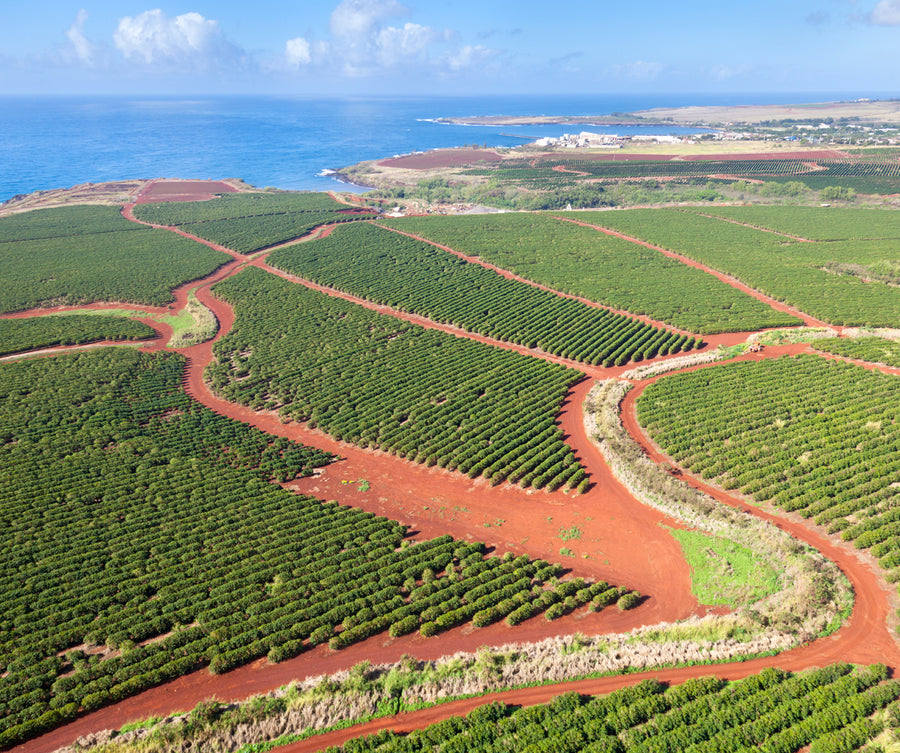
Head upslope through Hōlualoa and South Kona, where elevation, cloud cover and volcanic soils support the district’s famous coffee farms.

Keauhou is known for nighttime manta-ray experiences. Keep the evening open and avoid stacking it after an exhausting full-island driving day.
This route works best if you already have another day for Kailua-Kona and the resort coast. It trades mileage for a coherent progression: reef → coffee → Hawaiian history → sunset.
Snorkel at Kahaluʻu or depart on a morning boat to Kealakekua Bay. Morning conditions are often the better bet before winds build.
Climb into the cooler uplands for lunch and a coffee-farm visit. Reserve ahead if a specific farm tour matters to you.
Walk the royal grounds and the Puʻuhonua. The landscape makes far more sense with the cultural interpretation than as a photo-only stop.
Finish near Keauhou or Kailua-Kona. If you booked a manta excursion, keep dinner light and leave buffer time for check-in.
Kona’s identity changes quickly with elevation. Above the hot coast, roads wind through greener country, small farms and historic coffee landscapes. GoHawaii notes that 100% Kona coffee is grown in North and South Kona, with many farms offering public tours.
The west side is straightforward to visit, but heat, exposed lava, ocean conditions and deceptively long drives can change how a day feels.
Town is walkable in pockets, but beaches, coffee farms and South Kona sights are spread out.
Check conditions before entering. Lava entries can be sharp, and a calm-looking shoreline is not automatically safe.
Shade can be limited on lava coastlines. Bring water, sun protection and footwear suited to uneven volcanic ground.
Stay on designated paths, follow posted guidance and avoid climbing walls, platforms or archaeological features.
For a first visit, give the coast at least three nights. Use one day for Kailua-Kona, Keauhou and nearby beaches; one for South Kona history and coffee; and one flexible day for a boat trip, resort-coast beach or repeat ocean time.
See the day route ↑